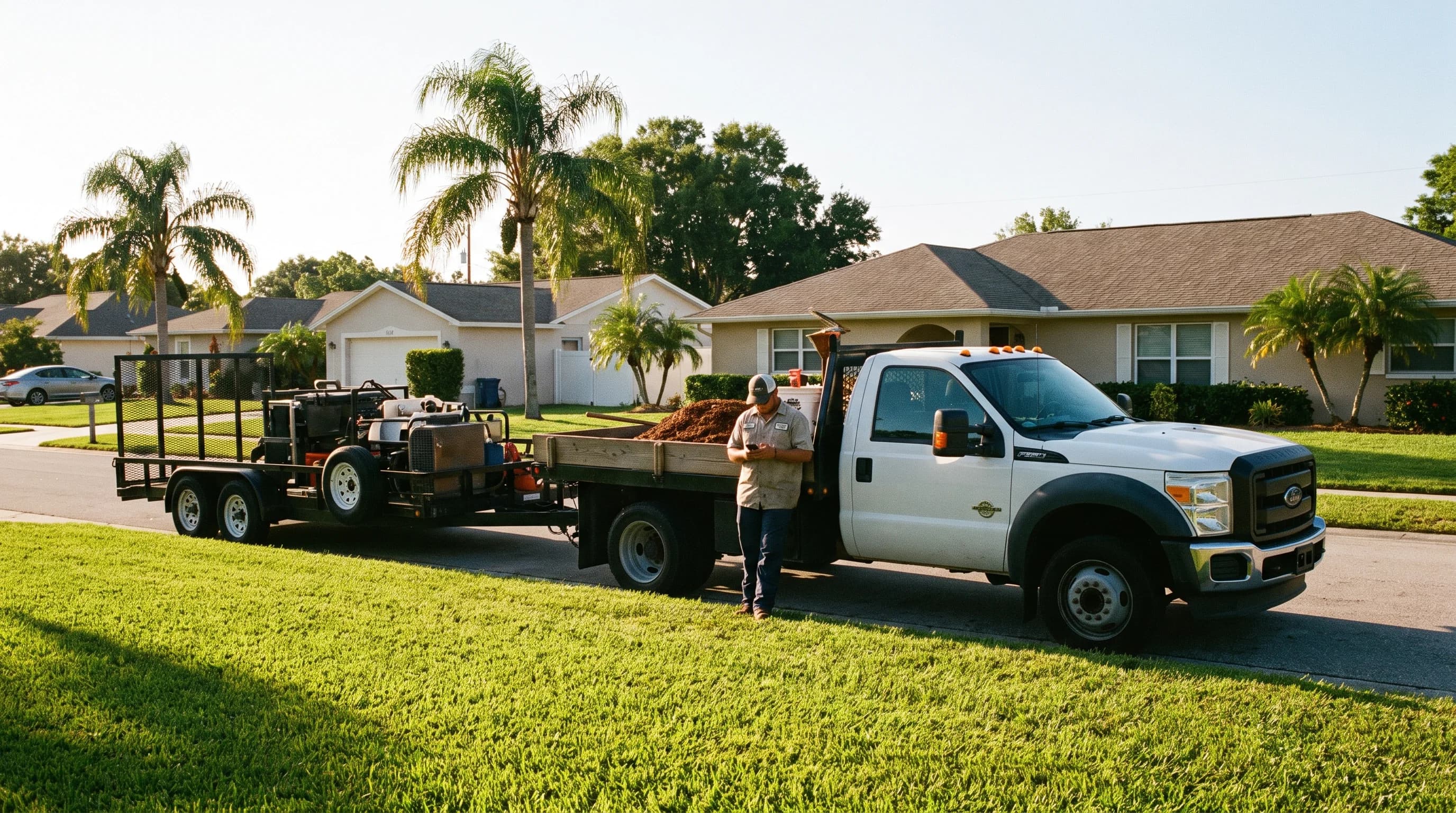
Run the math before you spend a dollar. A booked tree removal is worth $1,000 to $8,000. A paver patio or outdoor kitchen can run $5,000 to $50,000 or more. So if digital marketing for contractors brings you even one extra job a month, most of what you spend pays for itself and then some.
The trouble is that most contractors never see that math work. They pour money into channels that get the phone to ring, then let half those calls leak out the bottom - a missed call, a slow callback, a quote nobody chases. This guide covers the digital marketing that actually books contractor jobs, roughly what each piece costs, and the one habit that decides whether any of it turns into revenue.
Why "more marketing" is the wrong first question
Every guide to digital marketing for contractors hands you the same checklist: SEO, a website, paid ads, social media, email, reviews. All of it can work. But adding channels while your phone leaks is how you end up paying more per booked job, not less.
Here is the part the checklists skip. For phone-first businesses like tree, landscaping, hardscaping, and irrigation, speed of response beats almost everything else. A homeowner with a leaning oak or a flooded yard calls three companies and hires whoever answers first and sounds competent. The classic study of online lead response, written up in the Harvard Business Review piece The Short Life of Online Sales Leads, found that firms contacting a lead within an hour were far more likely to have a meaningful conversation than those who waited even a little longer. The point for a contractor is simple: the leads you already generate are worth more when you answer fast.
So fix the response habit first, then open the taps. With that order straight, here are the channels worth your time.
The digital marketing channels that book contractor jobs
A healthy contractor usually runs three or four of these at once, so no single dip sinks the month. You do not need all of them on day one.
1. Google Business Profile - your best free lead source
When someone searches "landscaper near me" or "emergency tree removal," Google shows the local map pack - three nearby businesses on a map - above the regular results. Ranking there is the single highest-value free thing most contractors can do.
To compete:
- Claim and fully complete your profile: correct name, address, phone, service area, and hours.
- Choose the right primary category and add relevant secondary ones.
- Post real job photos every week - before-and-after work, crews on site, finished projects.
- Ask every happy customer for a review, and reply to all of them.
Keep the details accurate and honest. Google publishes clear rules in its guidelines for representing your business on Google, and profiles that bend them risk getting suspended, which takes your best free channel offline overnight.
2. Paid search and Local Services Ads - the fastest switch to flip
When you need calls this week, paid ads put you in front of people searching right now. Two options matter most for contractors:
- Local Services Ads show at the very top with a "Google Guaranteed" badge and charge you per lead rather than per click. They suit service-area work well.
- Google Search Ads let you bid on the exact jobs you want and point people to a matching page on your site.
If you run Search Ads, match the campaign to the goal. Google's own guide on how to choose the right campaign type is worth reading before you spend, because the wrong setup quietly burns budget on clicks that never call.
3. Your website - where trust gets decided
Your profile and ads get people found. Your website is where they decide whether to call. For a contractor that means:
- A phone number that is tap-to-call on mobile, visible without scrolling.
- A gallery of your real work, organized by service.
- Fast load times - people on a job site or a phone will not wait.
- Clear service and location pages so both Google and buyers know what you do and where.
Most of your traffic is on a phone between other tasks. A slow, cluttered site quietly wastes every dollar you spent getting them there.
4. Reviews - your cheapest sales tool
Reviews do double duty: they help you rank in the map pack and they close buyers who are comparing you to two other quotes. You do not need to beg. Build a simple habit of asking every satisfied customer right after the job, when the finished work is in front of them, and send a direct link to make it a two-tap task. Reply to every review, good or bad, in your own voice.
5. Speed-to-lead and follow-up - the channel nobody lists
This is not a channel you buy, and it is the one that decides whether the other four pay off. Missed-call text-back so no call goes cold. Callbacks measured in minutes, not hours. Two or three polite follow-ups on every open quote over the following week. Most jobs are not won on the first touch, and a quote sent and never chased is the single biggest leak in the trade.
This is exactly why we do not sell one-off marketing channels. Generating leads and then losing them to a slow callback is the most expensive mistake a contractor can make. Tree Revenue builds a complete growth system for outdoor service businesses that plugs those leaks - missed-call text-back, quote follow-up, and call tracking - so the leads you already pay for actually become booked jobs.
How to know what is actually working
You cannot improve what you do not measure. Two tools tell you the truth:
- Call tracking puts a different phone number on each channel, so you know whether the booked job came from your profile, your ads, or a referral. Then you spend more on what pays and cut what does not, instead of guessing.
- Cost per booked job is the only number that matters in the end. Total spend and cost per lead are noise. When your follow-up is tight, you waste fewer of the leads you pay for, and your cost per booked job drops even if your ad spend stays flat.
Different trades lean on different channels. A hardscaping company chasing $30,000 patio projects needs a strong gallery and patient quote follow-up, because those buyers compare and take weeks to decide. An emergency tree crew needs to win the phone in the first minute. Same toolbox, different emphasis.
So should you run it yourself or hire it out?
Here is the honest decision frame. Pick the branch that matches your situation.
If you have time to learn and the discipline to answer fast, start solo. Build out your Google Business Profile, get your website tap-to-call ready, ask for reviews after every job, and commit to calling every lead back within minutes. That alone will move your numbers, and it costs almost nothing.
If the admin is eating your evenings, or leads are clearly leaking because nobody follows up, it is time to hand off the system rather than piece it together between estimates. That is the point where a partner pays for itself, because the jobs you were already losing more than cover the cost.
Either way, the order is the same: seal the response leak first, then turn up the channels that book real work. If you want to see how the whole path from click to booked job fits together, our transparent packages are laid out on the pricing page, and the growth system covers Foundation, Growth, and Scale. Digital marketing for contractors is not complicated once you stop counting leads and start counting booked jobs.