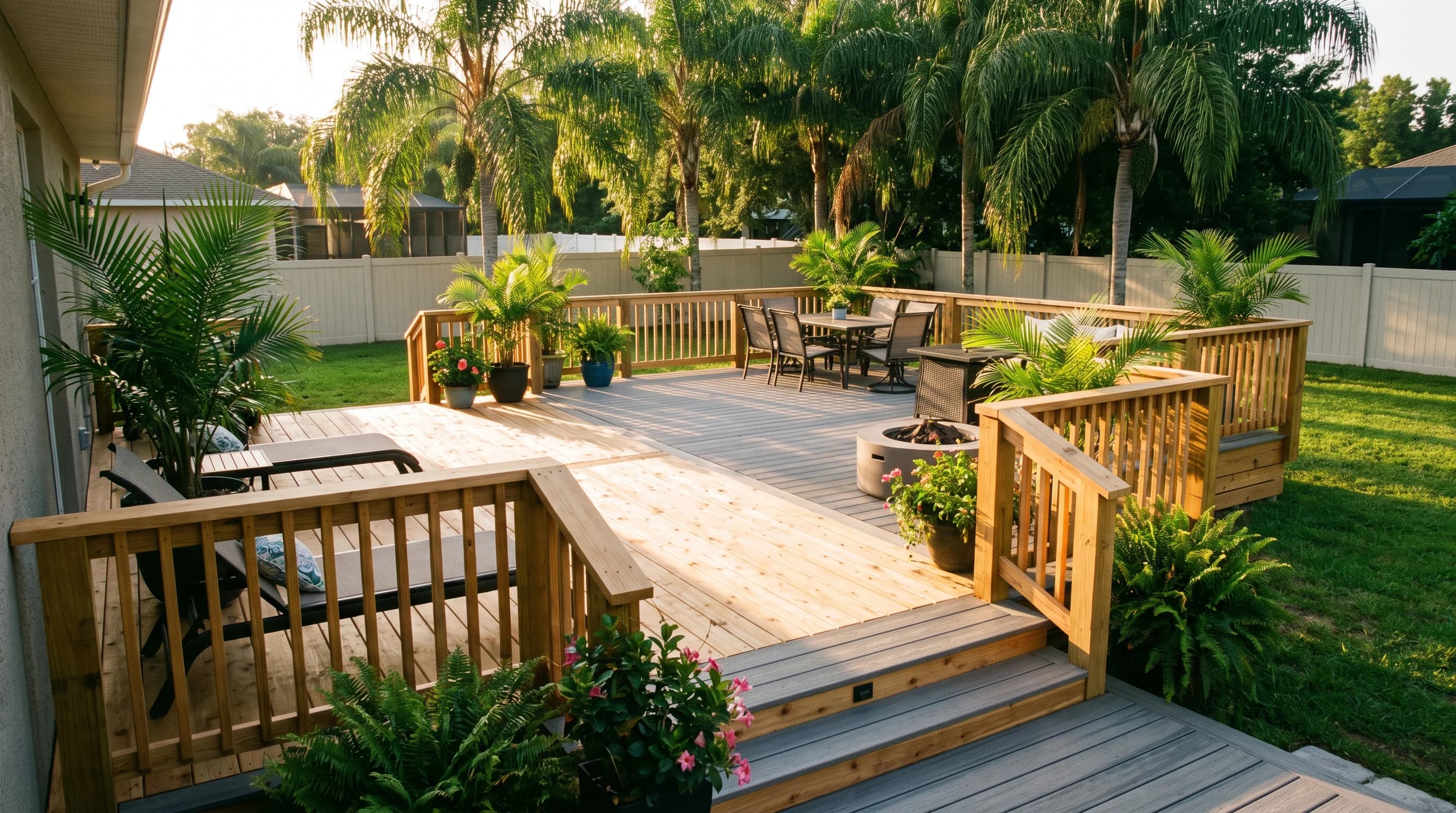
A single deck project is a high-ticket outdoor-living job, commonly landing in the low-to-mid five figures once size and material are settled (national cost guides such as HomeAdvisor's deck cost data put a typical build in the $8,000 to $25,000 range as an illustrative benchmark). Run your own numbers against your own pricing for a second. If you close even one extra deck a month, that is six figures of added revenue a year from a handful of phone calls that went the right way.
That math is why deck builder leads are worth chasing correctly, and why the usual advice - "get more leads" - misses the point. When each lead can turn into a five-figure job, the difference between a full schedule and a slow spring is rarely how many leads you got. It is how many good ones you caught, answered fast, and followed up with until they signed.
Here is where deck builder leads actually come from, and how to stop the best ones from leaking out the bottom of your pipeline.
Why deck leads are different from a quick repair call
A homeowner who needs an emergency plumber calls the first company that answers. A homeowner planning a deck does not work that way.
A deck is a considered purchase. They browse photos for weeks, talk to a spouse, price two or three materials, and collect several quotes before anyone signs. That long consideration window changes everything about how you should handle the lead.
- Volume matters less than fit. One serious homeowner in your service area beats ten tire-kickers hunting for a lowball number.
- Speed still wins the deal. They may plan for weeks, but the moment they submit a form they are ready to talk. The builder who calls back in minutes usually gets the estimate booked first.
- Photos do the selling before you ever meet. These buyers decide who to trust by looking at your past work, not by reading your slogan.
Get those three things right and you need far fewer leads to keep crews busy. That is the whole game for a high-ticket trade like this, and it is the foundation of a growth system built for outdoor living contractors rather than generic home-service advice.
Where deck builder leads actually come from
Ignore anyone selling you a single magic channel. Real deck pipelines are built from a few sources stacked together, roughly in this order of value.
1. Referrals and past customers
The cheapest, highest-closing deck builder leads are people sent by a neighbor who loves their new deck. A deck is a visible, in-the-backyard status purchase, so happy customers become walking billboards during every summer cookout.
Systematize it. Ask for the referral at the moment the customer is happiest, usually the walkthrough when the deck is finished. Partner with landscapers, fence contractors, and hardscapers who meet homeowners planning outdoor projects but do not build decks themselves.
2. Your Google Business Profile and the local map
When someone searches "deck builder near me," Google shows the map pack first. Ranking there is mostly free, and it puts you in front of buyers at the exact moment they are looking.
The two biggest levers are reviews and photos. Google's own guidance is clear that adding fresh photos to your Business Profile helps customers understand your work and engage with your listing. For a deck builder, that photo feed is a rolling portfolio of finished projects. Keep loading it.
3. Your own website ranking for deck terms
A website that ranks for searches like "deck builder Orlando" and "composite deck installation" in your service area hands you leads nobody else is paying for. This is slower to build than ads but it compounds, and the leads cost you nothing per click once you rank.
Project galleries, a page for each material you install, and a fast click-to-call button on mobile do most of the heavy lifting. Remember these buyers are usually on a phone in the backyard picturing the finished space.
4. Paid channels, on top of the foundation
Google Ads and pay-per-lead services add volume, but they are the roof, not the foundation. Paid search puts you in front of high-intent searchers immediately, and Google's Local Services Ads charge you per lead rather than per click, which fits phone-driven booking well.
The mistake that quietly wastes most deck builder leads
Every guide online tells you how to get more leads. Almost none of them tell you what happens after the form comes in, which is exactly where most deck money leaks.
Two failures do the damage:
Slow first response. A lead that gets a callback in five minutes is worth far more than one called back the next day. The classic Harvard Business Review analysis of online leads found that, even in B2B sales, firms trying to contact leads within an hour were far more likely to reach a decision-maker than those who waited longer. For a deck buyer collecting quotes, the first credible builder to call often sets the anchor everyone else gets measured against.
No follow-up after the estimate. Deck buyers rarely sign on the spot. They think it over, compare, and go quiet. The builder who checks back a few days later - politely, with the photos and the number - is often the one who lands the job while competitors assumed a silent lead was a dead lead.
Neither of these needs a bigger ad budget. They need a system that answers fast and follows up on autopilot so no five-figure lead falls through the cracks. That is precisely what the automation inside our done-for-you growth packages is built to handle, so a missed call or an unanswered form turns into a text and a booked estimate instead of lost revenue.
Match your lead flow to the season
Deck demand is seasonal, but the planning starts earlier than most owners market for. Homeowners dream about a deck in late winter, search in early spring, and want it built before the first cookout.
That gives you a simple edge: be visible during planning season, not just building season. Keep posting photos and gathering reviews through the slow months, and run a small ad budget when clicks are cheaper and competitors have gone quiet. In Central Florida the outdoor-living season barely pauses, so screened decks, composite that shrugs off humidity, and shade structures keep homeowners searching closer to year round than up north.
The owners who stay quiet all winter and switch on marketing in April are already behind the ones who filled the spring calendar in February.
Your deck builder lead plan for this week
You do not need a new website or a big budget to start catching more of the leads already looking for you. Pick these off before Friday:
- Turn on instant response. Set up a missed-call text-back or a form auto-reply so every new deck lead hears from you within minutes, even when your crew is on a job. Speed is the cheapest edge you have.
- Feed your Google Business Profile. Post five photos from your last finished deck and ask that customer for a review while the work is fresh in their mind.
- Build a five-minute follow-up habit. Put every estimate you send on a two-touch reminder: a check-in three days later and again a week out. Most deck jobs are lost to silence, not to price.
- Line up one referral partner. Call a local landscaper or fence contractor and agree to send each other the projects you do not do.
Do those four and you will book more work from the same number of leads, which is the entire point when each job is worth thousands. When you are ready to make the whole thing run without you chasing it, compare the transparent growth packages and pricing that put the answering, follow-up, and review systems on autopilot. More leads help, but catching the ones you already get is where the deck money actually is.